What Is Sofrito? The Secret Behind Every Puerto Rican Dish
May 2, 2026
What Are Tostones? The Twice-Fried Plantain That Started It All
July 1, 2026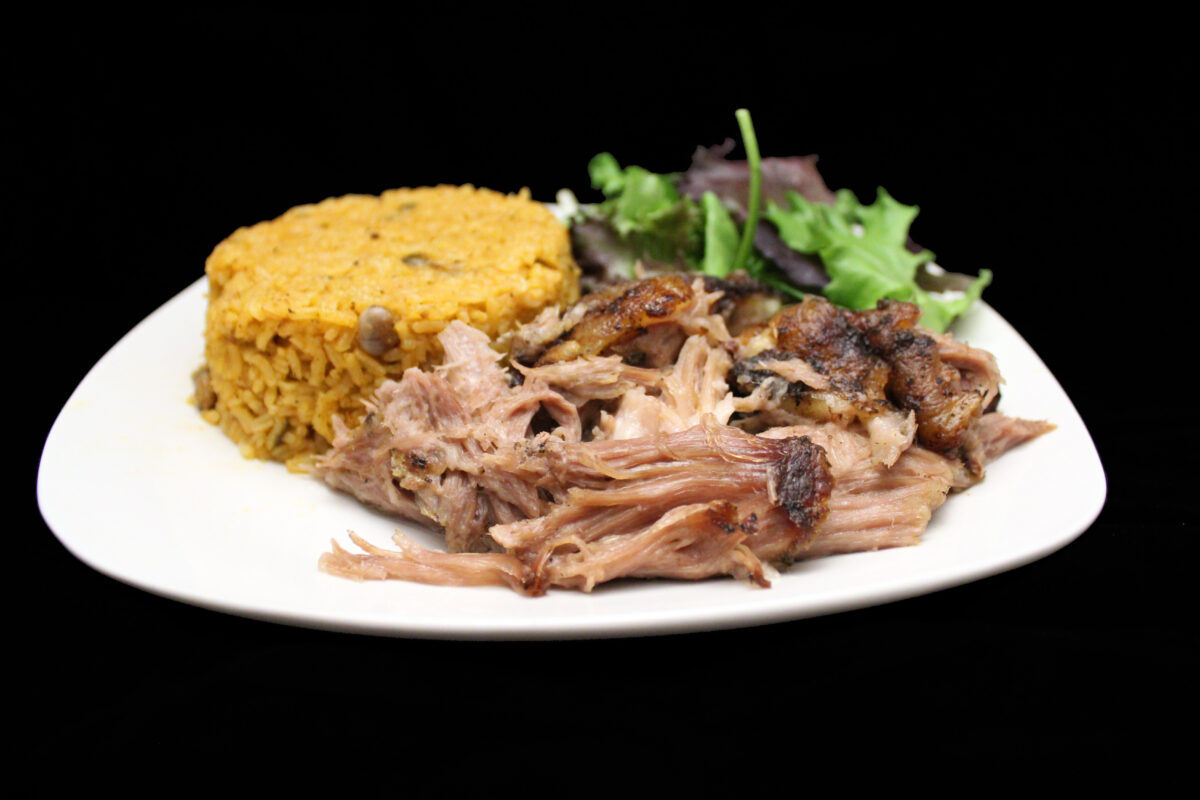
The best seller. The tradition. The dish Juan’s Papa made every Nochebuena.
If you have eaten at Phoenix Coqui more than once, you have probably noticed that pernil shows up everywhere. On the mofongo, in the jibarito, inside the Cubano. More than that, it anchors the plate that reviewers keep calling the best thing they have eaten in Phoenix.
There is a reason for that. Pernil is not just a dish. It is the dish. The one that defines a Puerto Rican kitchen, marks every celebration worth having, and carries the kind of weight that only food made the same way across generations can carry.
So let’s talk about it.
What Is Pernil?
Pernil (pronounced pehr-NEEL) starts with a bone-in pork shoulder. We pack it overnight in a garlic and herb paste, then roast it low and slow until the meat collapses into tender shreds.
Still, it is not pulled pork in the American barbecue sense. In fact, the flavor profile is completely different, driven by garlic and herbs rather than smoke and sweet sauce. And it is not a weeknight dish. Pernil takes time. The overnight marinade is not optional, and neither is the low-and-slow roast. The patience required to do it right is the whole point.
Where Does Pernil Come From?
Pork arrived in Puerto Rico with Spanish colonizers in the 16th century. But pernil as it exists today, garlic-forward and deeply seasoned, is distinctly Puerto Rican. Over centuries, the technique absorbed African, Taíno, and Spanish culinary traditions and became something entirely its own.
The word pernil comes from the Spanish pierna, meaning leg. Traditionally, cooks made it with the whole hind leg of the pig. In modern Puerto Rican cooking, however, bone-in pork shoulder is the most common cut. Cooks favor it for its fat content, which keeps the meat moist through a long roast and bastes it from the inside out.
Why Is Pernil the Centerpiece of Puerto Rican Celebrations?
Because it takes all day. And that is the point.
Some of Juan’s earliest memories of the holidays are built around his grandfather, Papa, in the kitchen. Every Nochebuena, it was Papa who would adobar el pernil the day before. First scoring the skin, then driving deep cuts into the meat itself so the marinade could work all the way through. He would press the garlic paste in by hand, making sure every cut was packed. Then the pork shoulder went into the refrigerator overnight.
By morning, the family could put it in the oven. And the smell of it roasting would fill the home for hours. That smell meant one thing: la Navidad había llegado. Christmas had arrived.
That is what pernil does. It announces itself and changes the feeling of a room. A dish you can make in thirty minutes does not ask anything of you. Pernil, on the other hand, asks you to commit to it, and it rewards that commitment in a way that makes people go quiet on the first bite.
When Puerto Ricans in the diaspora taste good pernil, what they are tasting is also home. That is not a metaphor. That is what food does when you make it correctly, with the right ingredients and the right intention.
What Makes Our Pernil Different?
Juan grew up eating this in Toa Alta, Puerto Rico. The recipe he uses is Papa’s, not adapted, not simplified for a commercial kitchen. Same recipe. Same method. Every time.
First, we make deep cuts into the meat so the seasoning penetrates all the way through, not just the surface. Then the shoulder goes into the refrigerator overnight. From there, the roast runs low and slow, and we do not rush it.
The result is meat that pulls apart at a touch and tender all the way through. It has been our best seller since the food truck. That has not changed.
A Note on Cuerito
In the traditional preparation, cooks finish pernil at high heat to crisp the skin into what Puerto Ricans call cuerito, the crackled, caramelized outer layer that people fight over at the table. If you grew up eating pernil at Nochebuena, you know exactly what we are talking about.
We want to be upfront: we serve our pernil as all meat, no cuerito.
The volume we roast to keep up with demand, in a kitchen running at full capacity, makes it impossible to serve cuerito properly on every plate. We would rather be honest about that than hand you a token sliver that does not do the tradition justice. Instead, you get pernil that is tender, seasoned all the way through, and made the way Papa taught Juan. That part, we do not compromise on.
How Is Pernil Served at Phoenix Coqui?
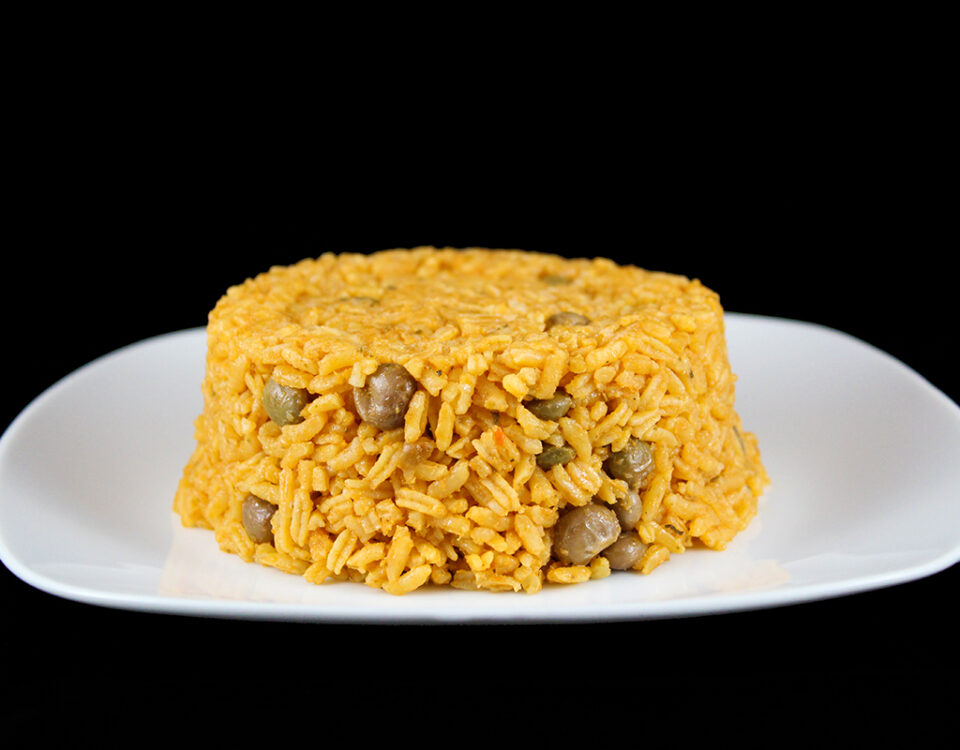
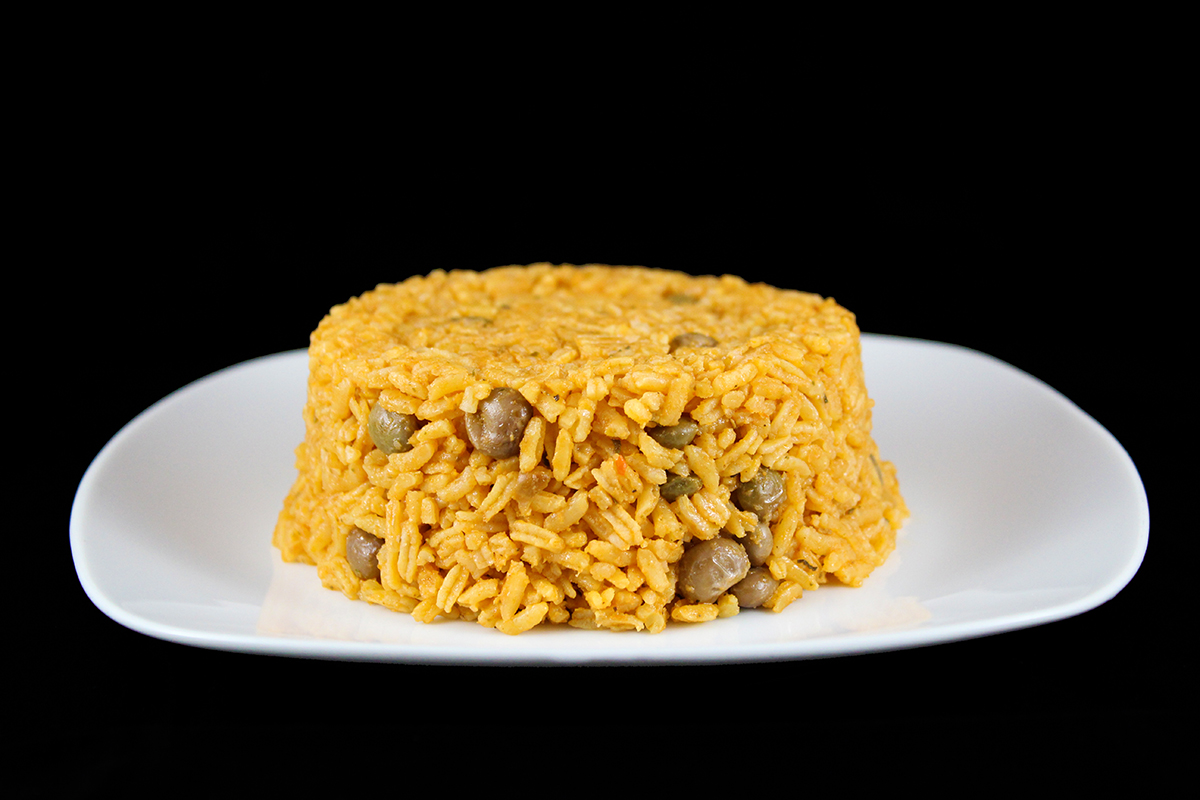
On the Plato de Pernil, it comes over a mound of arroz con gandules and a fresh mixed greens salad. One plate. Everything it needs. Nothing it does not.
On the Mofongo con Pernil, the slow-roasted pork sits on top of a dome of hand-mashed garlic plantain, and the juices soak down into the base as you eat. If you want to understand what the intersection of Puerto Rico’s two most iconic foods tastes like, that is the order.
Beyond that, you will also find it inside the Jibarito Platter and the Cubano, where we press it on pan sobao with ham, Swiss, pickles, and mustard.
There is a reason pernil appears in six items on this menu. It is the most versatile, most satisfying, most Puerto Rican thing we make.
Is Pernil Gluten-Free?
Yes. No breading, no flour, no fillers. Just pork, garlic, herbs, and time. For anyone navigating gluten sensitivities, the Plato de Pernil with arroz con gandules is one of the safest and most complete meals on the menu.
Can You Order Pernil for Catering?
Yes, and this is where pernil really gets to shine. Our catering menu includes pernil as a centerpiece option, and we have served it for weddings, corporate events, and backyard reuniones familiares. If you want a centerpiece that makes people talk about the food for weeks, call us.
Come Taste What the Best Sellers List Knows
The Plato de Pernil has been number one since the food truck. That is not a marketing claim. That is simply what happens when you make a dish the right way, from a family recipe that goes back generations.
Come in hungry. Order the pernil. And if someone at your table tries to be adventurous and orders something else, let them. Then watch them look over at your plate and start asking questions.
Wepa!
Phoenix Coqui is located at 4041 N 15th Ave, Phoenix, AZ 85015, in the heart of the Melrose District. Open Monday through Saturday. View the full menu here.